Pakistan’s construction industry runs on steel bars (saria) made in local steel mills. But “steel mill” can mean very different things: a small re-rolling unit, a melting plant that makes billets, or a fully automated rolling mill with its own casting. If you are buying steel for a house, a plaza or a project, knowing how steel mills in Pakistan work helps you judge who you are really buying from.
This guide explains the main types of steel mills in Pakistan, how steel bars are made, where the industry is based, and a simple checklist for choosing a reliable mill.
Types of Steel Mills in Pakistan
Most reinforcement bars in Pakistan come from one of three kinds of plant:
1. Melting units (induction furnace mills)
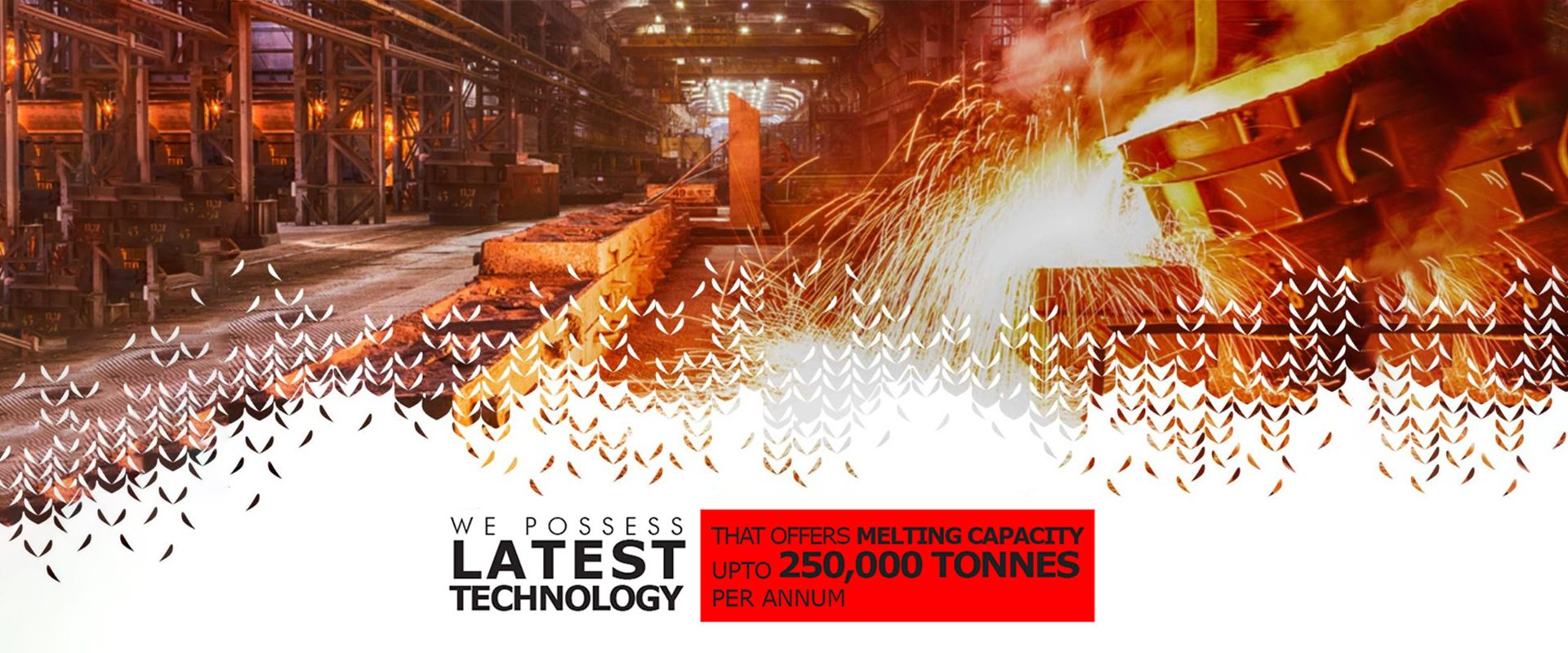
These mills melt steel scrap, much of it imported, in electric induction furnaces. The liquid steel is cast into billets: square bars of steel that are later rolled into rebar. The quality of the billet depends on the scrap, the chemistry control and the casting process.
2. Re-rolling mills
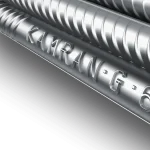
Re-rolling mills heat billets in a reheating furnace and pass them through a series of rolling stands that shape them into deformed bars. Some re-rolling mills make their own billets; others buy billets from outside. Older units are partly manual, while modern mills are automated and control the bar’s size, weight and ribs much more consistently.
3. Integrated plants
An integrated plant makes steel from iron ore in a blast furnace instead of from scrap. Pakistan has had only one such plant, the state-owned mill in Karachi, and it has not been in regular production for years. Today, almost all rebar used in Pakistani construction comes from scrap-based melting and rolling mills.
How Steel Bars Are Made
- Melting: scrap is melted and the chemistry is adjusted so the steel meets the required grade.
- Casting: the liquid steel is cast into billets, usually by continuous casting.
- Reheating: billets are heated until they are soft enough to roll.
- Rolling: the hot billet passes through rolling stands that reduce it to the required diameter and press the ribs (deformations) onto the bar.
- Cooling and cutting: bars are cooled, cut to length and bundled.
- Testing: samples are tested for yield strength, tensile strength, elongation and bending, so the bars meet the grade marked on them.
For more detail, see our page on the steel bar manufacturing process and the guide to the process of making quality steel bars.
Where Steel Mills in Pakistan Are Located
Steel mills in Pakistan are concentrated near the big construction markets and the ports that bring in scrap. The largest clusters are in and around Lahore (including Sheikhupura Road), Karachi and Gujranwala, with other mills around Islamabad-Rawalpindi and Peshawar. Because transport is a real part of the cost, many buyers prefer a mill or dealer close to their site, but a reliable mill with a nationwide dealer network can supply any city.
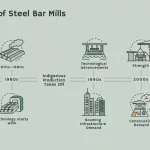
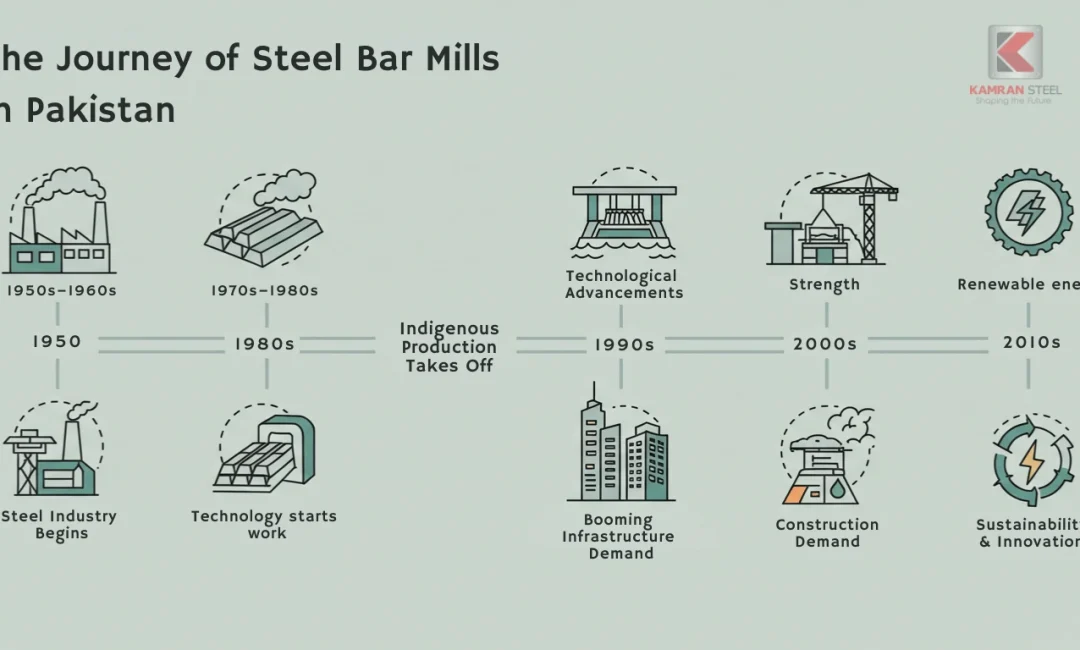
Want the background? Read how the industry grew in the evolution of steel bar mills in Pakistan.
Steel Grades Made by Pakistani Mills
Pakistani mills mostly roll deformed bars to the American standard ASTM A615 in two common grades:
| Grade | Minimum yield strength | Typical use |
|---|---|---|
| Grade 40 | 40,000 psi (280 MPa) | Light, non-critical work where the design allows it |
| Grade 60 | 60,000 psi (420 MPa) | Columns, beams and slabs in houses, plazas and multi-storey buildings |
Not sure which grade you need? See Grade 40 vs Grade 60 steel.
How to Choose a Steel Mill in Pakistan: 7 Checks
- Does it make the bars itself? Buying from the manufacturer (or its authorised dealer) gives you a clear source and someone accountable for quality.
- Does it control its billets? Mills that melt and cast their own billets control the steel’s chemistry from the start.
- Is the rolling mill modern? Automated rolling gives consistent size, weight per metre and rib pattern.
- Are the bars marked? Good bars carry the maker’s mark and grade rolled onto them. Read how to identify steel bars.
- Will it give a mill test certificate? Ask for the test results for your batch, and test samples yourself on bigger jobs. See our guide to testing steel bars.
- Does it publish a clear rate? A mill that publishes one official rate makes it easy to compare quotes. Check the steel rate in Pakistan today.
- Can it deliver where you build? A dealer network in your city means faster, cheaper supply.
Avoid unbranded or underweight bars sold far below the market rate. Our checklist on avoiding fake and substandard steel explains the warning signs.
About Kamran Steel Mills, Lahore
Kamran Steel (Kamran Group of Steel Industries) has manufactured deformed steel bars in Lahore since 1984. Our mill on Sheikhupura Road is a fully automated rolling mill with a capacity of up to 25 tonnes per hour, with expansion under way to 50 tonnes per hour. The group covers the chain from continuous casting to re-rolling, and we supply Grade 40 and Grade 60 bars directly and through dealers in more than 20 cities across Pakistan.
See our products, check today’s steel rate, or price your order with the steel rate calculator.
Comparing suppliers? See how to choose among the top steel companies in Pakistan.
Before you order, run through our checklist for the best steel bars in Pakistan.
Frequently Asked Questions
What types of steel mills are there in Pakistan?
Mainly melting units that turn scrap into billets, re-rolling mills that roll billets into bars, and mills that do both. Pakistan’s only integrated (iron ore) plant has not been in regular production for years.
Where are most steel mills in Pakistan?
The biggest clusters are around Lahore, Karachi and Gujranwala, with others near Islamabad-Rawalpindi and Peshawar.
Which steel grade do Pakistani mills make for houses?
Grade 60 deformed bars to ASTM A615 are the standard choice for houses and buildings, but always follow your structural engineer’s drawings.
How do I know a steel mill is reliable?
Check that it makes its own bars, marks the grade on every bar, provides test results, publishes a clear rate and has a dealer near your site.
Is steel cheaper directly from the mill?
Buying from the manufacturer or its authorised dealer avoids extra middlemen and gives you a clear rate. Transport is charged separately depending on your location.