A steel quality test tells you whether the reinforcement bars (saria) going into your building are as strong as the drawings assume. Because bars are hidden inside concrete, you cannot fix a bad batch later. This guide explains the simple checks you can do on site, the laboratory tests that confirm strength, and how to read the results.
Why Steel Bar Quality Testing Matters
Substandard bars often look normal. However, they may be underweight, have the wrong chemistry or crack when bent. In a column or beam, that can mean a structure weaker than designed. Testing protects your safety and your money, and it costs very little compared with the value of the steel.
Simple Checks You Can Do on Site
1. Visual check
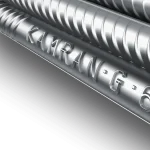
First, look along the bars. The ribs should be clear and even, with no cracks, seams, flakes or deep rust pits. Light, tight surface rust is normal; loose flaky rust is not.
2. Marks and paperwork
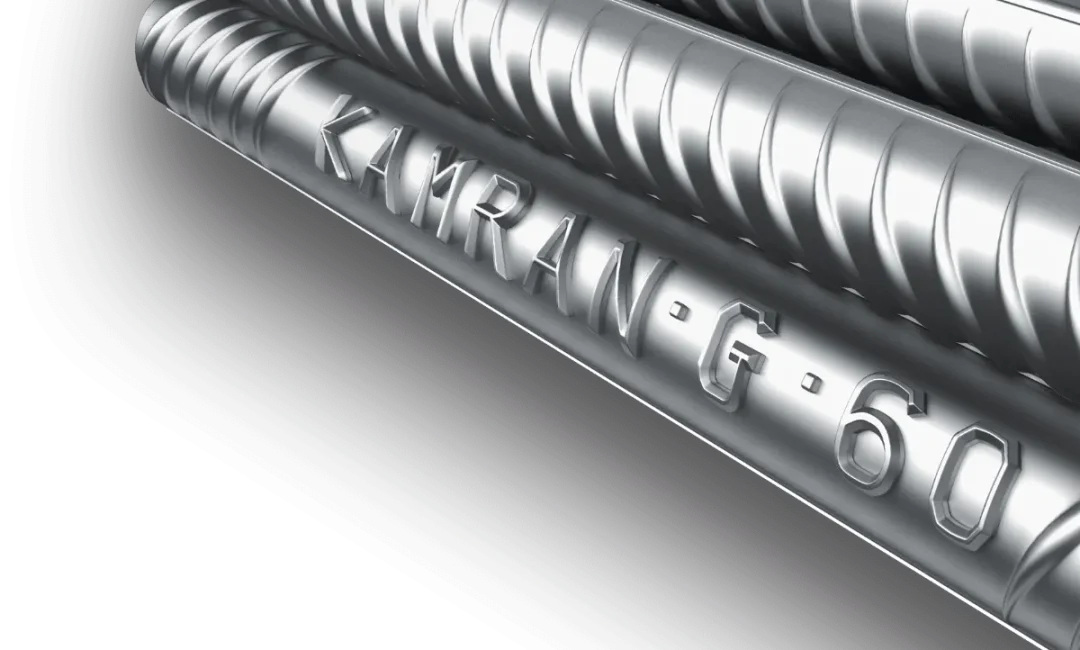
Next, check the manufacturer’s rolled-in marks and the grade mark. In addition, make sure the invoice shows the brand, grade, size and weight, and ask for the mill test certificate.
3. Weight check
Then weigh a few bars of known length. The weight in kg per metre should be close to D² ÷ 162, where D is the diameter in mm. Under ASTM A615, a bar may not weigh less than 94% of its nominal weight. See how to calculate the weight of steel bars for a full weight table.
4. Diameter and length
Finally, measure the bar length and check the size against the invoice. Measure the diameter across the core, not over the ribs.
Laboratory Tests for Steel Bars
On site checks cannot measure strength. For that, send samples to a recognised materials testing laboratory, such as a university civil engineering lab. The main tests are:
| Test | What it measures | Why it matters |
| Tensile test | Yield strength, tensile strength and elongation | Confirms the bar meets its grade (for example, 420 MPa yield for Grade 60) |
| Bend test | Whether the bar bends 180° without cracking | Shows the bar is ductile enough to bend on site and in an earthquake |
| Chemical analysis | Carbon, manganese, phosphorus and sulphur content | Wrong chemistry can make steel brittle or hard to weld |
| Weight and dimension check | Mass per metre and rib geometry | Confirms the bar has the correct cross-section and grip |
Tensile test
The lab pulls a sample in a universal testing machine until it breaks. As a result, you get three numbers: yield strength (where the bar starts to stretch permanently), tensile strength (the maximum load) and elongation (how much it stretched before breaking). Compare them with the minimums for your grade.
Bend test
The lab bends a sample through 180° around a pin of a specified size, typically 3.5 to 7 times the bar diameter depending on the size. After bending, the outside of the bend must show no cracks.
Chemical analysis
A spectrometer measures the elements in the steel. For example, ASTM A615 limits phosphorus to 0.06%, because more phosphorus makes steel brittle.
Minimum Values to Look For
| Grade (ASTM A615) | Minimum yield strength | Minimum tensile strength |
| Grade 40 | 280 MPa (40,000 psi) | 420 MPa (60,000 psi) |
| Grade 60 | 420 MPa (60,000 psi) | 620 MPa (90,000 psi) |
| Grade 75 | 520 MPa (75,000 psi) | 690 MPa (100,000 psi) |
Your engineer or the project specification may require more tests or stricter limits, so always check the contract documents too.
How to Take Samples
- Take samples from each size and each delivery, as the specification requires.
- Cut samples long enough for the lab’s tests, usually around 1 metre.
- Label each sample with the size, grade, supplier and delivery date.
- Keep the delivery on hold, or at least traceable, until the results arrive.
For site acceptance procedures and records, read steel bar testing for safety and compliance on site.
What to Do If Bars Fail
If a sample fails, do not use that batch. Instead, inform the supplier in writing, ask for a retest under the standard’s rules, and replace the bars if the retest also fails. Never let failed bars go into columns or beams. Read about common defects in steel bars and avoiding fake and substandard steel.
Before you order, run through our checklist for the best steel bars in Pakistan.
Tested Steel Bars from Kamran Steel
Kamran Steel manufactures Grade 40 and Grade 60 bars to ASTM A615 in sizes from 10 mm to 36 mm. Ask our sales team for the mill test certificate with your order. Contact Kamran Steel or check today’s steel rate in Pakistan.
Learn how our own lab and mill tests work on the Kamran Steel quality assurance page. Planning an order? Work out the cost by grade, bar size and tons with our steel rate calculator.
Related reading: Why Steel Bar Quality Matters · Different Grades of Steel Bars · Steel Bar Manufacturing Process · The Importance of Traceability in Steel Manufacturing · Bendability & Weldability of Steel Bars: Why It Matters in Large Projects