Choosing steel bars is a technical decision that affects the safety and life of a structure. Engineers do not simply ask for “saria”; they check a specific set of properties and documents. Below are the ten questions engineers ask most often, with clear answers that also help contractors and home builders.
1. Which grade does the design need?
The structural design is prepared for one grade, most commonly Grade 60 (420 MPa yield) in Pakistan. Grade 40 suits light work, and Grade 75 suits heavy members designed for it. See different grades of steel bars.
2. Which standard do the bars meet?
Engineers check that bars meet the standard named in the specification, such as ASTM A615 or the relevant Pakistan Standard. Bars made to one standard should not replace bars specified to another without approval.
3. What are the tested strengths?
Next, they compare the mill test certificate with the minimum yield and tensile strengths for the grade. For Grade 60, that means at least 420 MPa yield and 620 MPa tensile strength.
4. Is the steel ductile enough?
Elongation and the bend test show whether the bar can stretch and bend without cracking. Ductility is vital in Pakistan’s earthquake zones.
5. Is the weight correct?
Engineers check that the weight per metre is close to D² ÷ 162, and not below the tolerance in the standard. Underweight bars mean less steel than the design assumes. See how to calculate the weight of steel bars.
6. Will the bars bond well with concrete?
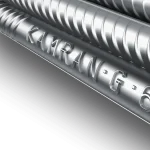
Well-formed, even ribs grip concrete. Damaged or low ribs weaken the bond, so engineers inspect the deformations.
7. Are the bars traceable?
Rolled-in manufacturer and grade marks, plus batch details on the certificate, let engineers trace every bar back to its test results.
8. Can the bars be welded?
Standard ASTM A615 bars are not intended for general welding. If the design needs welding, engineers specify weldable steel and a qualified welding procedure.
9. Can the supplier provide all sizes on time?
Engineers prefer one supplier for all sizes in the bar schedule, with reliable staged deliveries. Mixing brands complicates testing and control.
10. How should the bars be stored and inspected on site?
Finally, engineers set rules for storage, inspection and sampling, so bars stay clean and compliant until use. See how to store steel bars on site and how to test steel bar quality.
Quick Reference
| Question | What to check |
| Grade | Matches the drawings |
| Standard | Matches the specification |
| Strength and ductility | Mill test certificate values |
| Weight | Close to D² ÷ 162 |
| Traceability | Rolled-in marks and batch details |
| Supply | All sizes, staged delivery |
Steel Bars from Kamran Steel
Kamran Steel has manufactured deformed steel bars in Lahore since 1984. We supply Grade 40 and Grade 60 bars to ASTM A615 in sizes from 10 mm to 36 mm, with mill test certificates on request. Contact our sales team or check today’s steel rate in Pakistan.
Engineers and contractors can price a bill of quantities quickly with our steel rate calculator.
Related reading: What Engineers Look for in High-Tensile Steel Bars · Grade 40 vs Grade 60 Steel