Defects in steel bars can quietly weaken a building. A bar with a hidden crack, the wrong chemistry or too little steel in it may look normal, yet fail under load or when bent on site. This guide explains the most common defects in steel reinforcement bars (saria), including rolling defects, how to spot them, and how to avoid them.
Why Steel Bar Defects Matter
Steel bars carry the tension in concrete columns, beams and slabs. If a bar is weaker than its grade, the structure is weaker than the engineer designed. Moreover, once concrete is poured, the bars cannot be inspected or replaced. That is why checking bars before use is so important.
Rolling Defects in Steel Bars
Many defects start in the rolling mill, when the hot billet is shaped into a bar:
- Laps and seams: thin folds or lines along the bar, where metal was folded over during rolling. They can open into cracks when the bar is bent.
- Surface cracks: fine cracks caused by defects in the billet or poor rolling temperature.
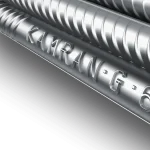
- Under-filled or damaged ribs: ribs that are too low, broken or uneven. As a result, the bar grips the concrete less well.
- Undersize or oval bars: bars that are thinner than their nominal size or not round. Consequently, they weigh less and carry less load.
- Fins: thin ridges of metal along the bar, caused by poorly set rolls.
Material Defects
- Wrong chemistry: too much carbon, phosphorus or sulphur can make steel brittle, so it cracks in the bend test.
- Low strength: bars that do not reach the minimum yield strength for their grade, for example 420 MPa for Grade 60.
- Internal defects: holes or inclusions from poor casting, which create weak spots.
Handling and Storage Defects
- Heavy rust and pitting: caused by storing bars on wet ground or in the open for months. Light, tight rust is normal, but deep pits reduce the bar’s size.
- Kinks and sharp bends: caused by rough unloading or dragging bars.
- Mixed grades or sizes: bars from different stacks get mixed, and the wrong bar goes into a member.
How to Spot Defective Bars
| Check | What to look for |
| Visual | Cracks, laps, fins, uneven or damaged ribs, deep rust pits |
| Weight | kg per metre should be close to D² ÷ 162; under ASTM A615 a bar may not be below 94% of nominal weight |
| Marks | Manufacturer and grade marks rolled onto the bar |
| Paperwork | Mill test certificate for the batch |
| Lab tests | Tensile, bend and chemical tests on samples |
For the full testing procedure, see how to test steel bar quality, and for weights, see how to calculate the weight of steel bars.
How to Avoid Steel Bar Defects
- Buy from an established manufacturer that tests every batch. See how to avoid fake and substandard steel.
- Inspect every delivery before unloading: look, weigh and check the marks.
- Test samples for important projects, as your specification requires.
- Store bars properly: off the ground, covered and sorted by size. Read how to store steel bars on site.
- Handle with care: lift bundles properly and never drop or drag bars.
- Reject bad bars: never let cracked, badly pitted or underweight bars go into columns or beams.
Quality Steel Bars from Kamran Steel
Kamran Steel has manufactured deformed steel bars in Lahore since 1984. We supply Grade 40 and Grade 60 bars to ASTM A615 in sizes from 10 mm to 36 mm. Ask for the mill test certificate with your order, or read about our steel bar manufacturing process. Contact our sales team for prices and delivery.
See how defects are caught before dispatch on our quality assurance page. When you are ready to order, our steel rate calculator gives you an instant cost estimate.
Related reading: Why Steel Bar Quality Matters · Different Grades of Steel Bars · Steel Rate in Pakistan Today