Earthquake resistant building design in Pakistan depends heavily on steel reinforcement. Much of the country, from the north and Islamabad to Quetta and parts of Sindh, is seismically active. When the ground shakes, the steel bars (saria) inside columns, beams and slabs hold the structure together. This guide explains how steel protects a building in an earthquake, which design details matter most, and how to choose and check the steel itself.
How Steel Protects a Building During an Earthquake
Concrete is strong in compression but brittle in tension. During an earthquake, the building sways and parts of it are pulled, bent and twisted. Steel bars carry that tension. More importantly, good steel stretches and bends without snapping. As a result, a well-designed reinforced concrete (RCC) frame absorbs energy and deforms instead of collapsing suddenly, which gives people time to get out.
Design Details That Make the Difference
Most earthquake damage in Pakistan comes from poor detailing rather than weak concrete. Engineers following the Building Code of Pakistan (Seismic Provisions) pay special attention to these details:
- Closely spaced ties (stirrups) in columns and beams: ties near joints and at column ends confine the concrete and stop main bars from buckling.
- 135-degree hooks on ties: hooks bent back into the core stay anchored; 90-degree hooks can open under shaking.
- Proper lap lengths: where bars are joined, they must overlap enough, and laps should sit away from high-stress zones.
- Strong columns, weaker beams: designs aim for beams to yield before columns, so the building does not collapse floor by floor.
- Continuous bars through joints: beam and column bars must be well anchored where members meet.
- Correct concrete cover: cover protects the steel and helps it bond with the concrete.
Why Steel Quality Matters in Seismic Zones
Ductility
Ductility, the ability to stretch before breaking, is the most important steel property in an earthquake. Brittle bars can snap without warning, while ductile bars give visible warning and absorb energy.
Reliable strength
Engineers design for a specific yield strength, such as 420 MPa for Grade 60. In addition, the tensile strength should be comfortably higher than the yield strength, so a bar keeps carrying load after it starts to yield.
Consistency and correct weight
Every bar should perform the same way, and its weight per metre should be close to D² ÷ 162. Underweight bars carry less load than the design assumes.
Steel Grades for Earthquake Zones
| Grade (ASTM A615) | Minimum yield strength | Typical use in seismic areas |
| Grade 40 | 280 MPa | Light, non-critical work only if the design allows |
| Grade 60 | 420 MPa | Standard for columns, beams and slabs |
| Grade 75 | 520 MPa | Only where the engineer designs for it |
For more on grades, see Grade 40 vs Grade 60 steel.
Common Mistakes That Weaken Buildings
- Ties spaced too far apart, or with 90-degree hooks.
- Replacing Grade 60 with Grade 40, or reducing bar sizes to save money.
- All laps placed at the same level in columns.
- Poorly compacted concrete around congested steel at joints.
- Using untested, underweight bars.
How to Choose Steel for an Earthquake Zone
- Use the grade and sizes in your structural drawings, usually Grade 60.
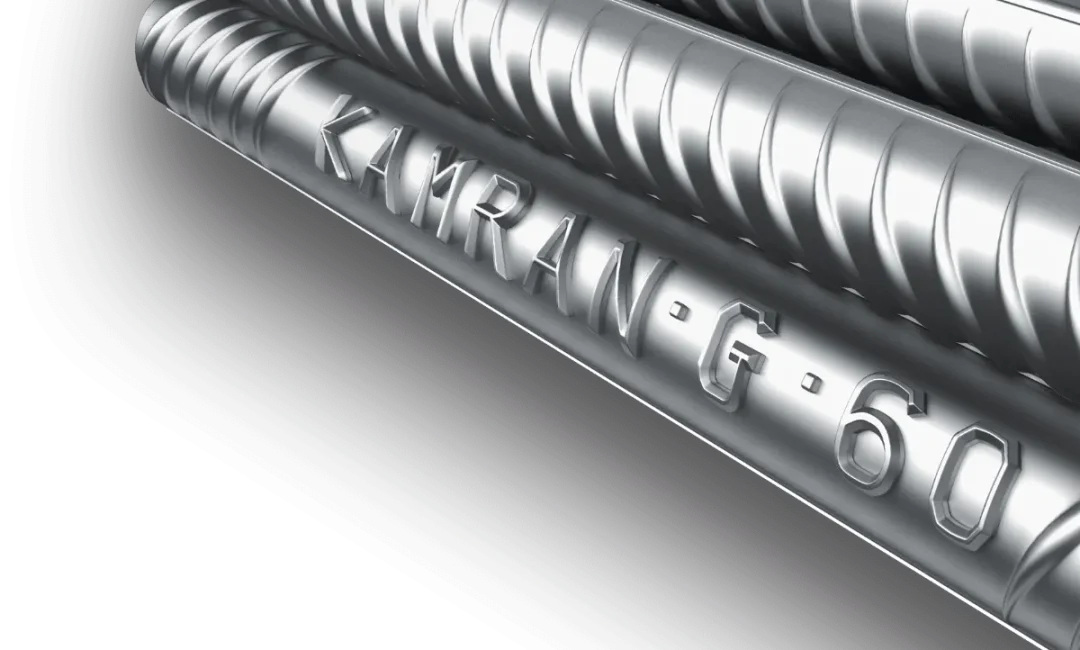
- Buy branded, tested bars with rolled-in marks.
- Ask for the mill test certificate and check yield strength, tensile strength and elongation.
- Weigh sample bars on delivery. See how to calculate the weight of steel bars.
- For important buildings, test samples. See how to test steel bar quality.
Steel Bars from Kamran Steel
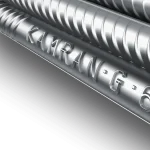
Kamran Steel has manufactured deformed steel bars in Lahore since 1984. We supply Grade 40 and Grade 60 bars to ASTM A615 in sizes from 10 mm to 36 mm, with mill test certificates on request. Check today’s steel rate in Pakistan or contact our sales team.
To budget the Grade 60 steel your earthquake-resistant design needs, use our steel rate calculator.
Related reading: Why Builders Prefer Grade 60 Steel · Steel vs Concrete · TMT vs Cold Twisted Bars · Steel in high-rise construction