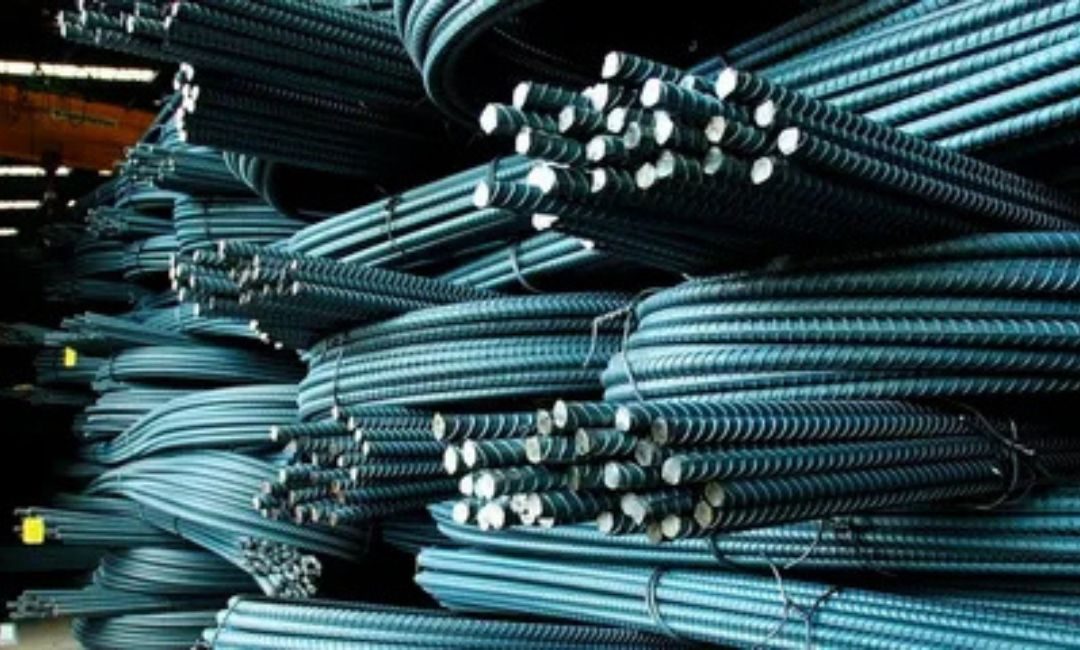
TMT vs cold twisted bars is a question many builders still ask, especially when renovating older buildings or comparing quotes. Both are deformed reinforcement bars. However, they get their strength in very different ways. As a result, they behave differently on site and in earthquakes. This guide explains the difference and why TMT bars have become the standard in Pakistan.
What Are Cold Twisted Deformed (CTD) Bars?
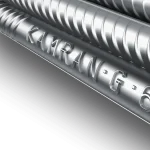
Cold twisted deformed bars start as hot-rolled mild steel bars with ribs. After cooling, a machine twists the bars at room temperature. In effect, the twisting strain-hardens the steel and raises its strength. However, it also uses up much of the steel’s ductility, so the bars become less able to stretch and bend before breaking.
What Are TMT Bars?
Mills quench TMT (thermo-mechanically treated) bars with water immediately after hot rolling. The surface cools quickly and becomes hard, while the hot core then tempers it from the inside. Consequently, the bar has a strong outer layer and a soft, ductile core, without any twisting. Read more about the steel bar manufacturing process.
TMT vs Cold Twisted Bars: Comparison
| Feature | TMT bars | Cold twisted (CTD) bars |
| How strength is gained | Quenching and self-tempering after rolling | Twisting cold after rolling |
| Ductility | Good; bends and stretches before breaking | Lower; less warning before failure |
| Bending on site | Bends easily without cracking | Higher risk of cracking at tight bends |
| Earthquake performance | Well suited when the design follows the code | Less suitable because of lower ductility |
| Residual stress | Low | Higher, from twisting |
| Availability today | Standard product | Rare in new work |
Why TMT Bars Replaced Cold Twisted Bars
- Better ductility: TMT bars keep more ability to stretch, which matters for safety.
- Easier to work: they bend on site without cracking.
- Earthquake design: modern seismic design depends on ductile reinforcement.
- Consistency: controlled quenching gives more uniform properties along the bar.
Note that neither type is rust-proof. In both cases, corrosion protection comes from concrete cover, good concrete and proper storage.
Which Should You Use?
In general, for new construction, use deformed TMT bars in the grade your engineer specifies, usually Grade 60. On the other hand, if you are repairing an old building with CTD bars, ask your engineer how to connect new and old steel. For grades, read Grade 40 vs Grade 60 steel.
Deformed Bars from Kamran Steel
Kamran Steel has manufactured deformed steel bars in Lahore since 1984. We supply Grade 40 and Grade 60 bars to ASTM A615 in sizes from 10 mm to 36 mm. Check today’s steel rate in Pakistan or contact our sales team.
To budget your order of deformed bars, use our steel rate calculator.
Related reading: Advantages of TMT Bars · Types of Steel Bars · Deformed vs Plain Steel Bars