
The role of Steel in Creating Future-Ready Cities. As cities around the world work towards being smarter, stronger, and sustainable, one material will play an important, silent role – steel. With cities striving to become smarter, stronger, and more sustainable, the focus is on extreme performance materials, advanced technologies, and process know-how. From high-rise buildings to intelligent transportation systems, advanced steel is the heart of a movement that will bring the smart city to life.
No other material can match the strength, recyclability, and support for new construction methods of steel, and it is crucial to urban renewal. Enterprises, such as the Pakistan-based manufacturer Kamran Steel, are at the forefront of this change, providing quality steel products fit for today’s infrastructure.
What Is a Smart City?
The smart city utilizes technology to improve the lives of its citizens. Such cities depend on sensors, data analytics, and optimized systems for their energy, waste management, traffic control, building, and public services.
But technology alone won’t cut it; a smart city also requires sturdy, sustainable, and dependable infrastructure to provide a backbone for digital systems. This is where higher-grade steel helps.
The Role of Advanced Steel in Smart Cities
1. Strength and Durability
Steel has high tensile strength, which allows it to withstand heavy loads, high pressure, and even natural disasters like earthquakes and floods. This is ideal for bridges, high-rises, and transport systems in so-called smart cities.
For instance, smart urban designs are built with steel-reinforced concrete and the like. It says buildings aren’t just structurally secure but also usable for decades.
High-strength steel cuts the amount of material required in a project, resulting in lighter, more efficient structures, according to the World Steel Association.
“Steel is not only strong and flexible, it is the foundation for sustainable construction.”
2. Recyclability and Sustainability
The smart cities are all about sustainability, and steel is one of the most recyclable materials on earth. It recycles easily and can be melted and molded to be used again without losing its strength or purity.
The Global Steel Industry also recycles 630 million tons of steel annually, saving energy and cutting carbon emissions. This is a big factor in making buildings and infrastructure greener that support environmental targets.
In smart cities, steel recycled is found in items ranging from street furniture to underground utility tunnels and electric vehicle (EV) charging stations.
3. Modular and Prefabricated Construction
Smart cities And Modern construction systems, such as modular construction and prefabrication, are moving into focus in the smart cities. They are techniques that are made with fabricated pre-formed steel members being erected on the site of the structure. It saves construction time, waste, and manpower.
Take, for example, Arkitech, a company that is an expert in green steel modular construction. Their steel framing systems are faster and safer to build and provide reliable energy performance.
This approach might be well suited for smart hospitals, schools, and housing modules, especially in the context of fast urbanization or post-disaster reconstruction.
4. Smart Infrastructure Support
Steel is critical to smart infrastructure because of its strength, flexibility, and endurance. It is essential when building smart bridges with SHM sensors that can detect structural health conditions in real time, which can enhance safety and maintenance. Steel is also integral to underground smart grids, which transport power, internet, and other utilities in an energy-efficient way across cities to residential homes. It’s also going to be the foundation of EV charging facilities and robot parking lots, enabling the rise of electric and autonomous vehicles. Steel allows resilient, smart city infrastructure that can withstand environmental stress and new technology.
Kamran Steel: Powering Pakistan’s Smart Future
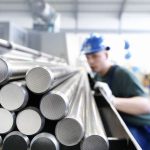
Quality Construction Kamran Steel has been in the steel industry for more than 3 decades. The company has decades of experience in the production of high-strength deformed bars, which are a vital ingredient for modern construction.
This is how Kamran Steel is helping create a smarter infrastructure:
1. Advanced Production Technology
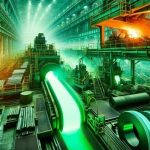
Kamran Steel has state of a state-of-the-art, modern commercial 70-ton furnace and the computerized No twist mill. The brand also features one of the best and pioneering steel production processes in the industry. They’re great for buildings, bridges, and infrastructure that have to carry lots of weight and withstand environmental pressures.
Their bars are subjected to stringent quality control processes and comply with industry standards such as ASTM and ISO.
“Kamran Steel is committed to providing future-forward construction solutions in Pakistan that align with an increasing need for resilient infrastructure.”
2. Eco-Friendly Operations
Kamran Steel makes sustainability a part of its operations as it recycles scrap metal, employs energy-efficient furnaces, and reduces carbon emissions.
This is aligned with smart city visions of low environmental impact but high industrial growth.
3. Supplying Mega Projects
Kamran Steel delivered steel for some of the largest infrastructure projects throughout Pakistan, including:
- Metro bus systems
- Industrial zones
- Hospitals and universities
- Motorways and bridges
The strength of their steel provides for a long-lasting storage solution, enabling the smart lock and infrastructure as a service application.
4. Trusted by Engineers and Builders
Kamran Steel has been producing quality steel products to meet the needs of transforming markets and applications ranging from concrete reinforcement to pre-engineered, pre-fabricated building systems, for more than five decades.
It is also an essential partner in constructing Pakistan’s smart future, as it ensures that the “backbone” of the infrastructure is strong and seamless.
Worldwide Instances of Steel in Smart Cities
To put it in perspective, see what global cities depend on steel infrastructure:
- Singapore: Relies on steel for modular housing, smart vertical farms, and underground waste systems.
- Dubai: Taps high-strength steel frames to build smart skyscrapers and transport hubs.
- Toronto: Uses recycled and modular steel parts to build intelligent neighborhoods.
These cities are just a few ways in which steel, when used properly, can improve the sustainability, velocity, and safety of urban life.
Conclusion
And as the world shifts toward smart living, cities require materials that are not only strong but also sustainable, adaptable, and affordable. Advanced steel is just the ticket. It can be constructed quickly, withstand the elements without showing it, and, best of all, be used over and over again.
This shift is epitomised by Kamran Steel in Pakistan. Through providing high-quality, green steel and delivering it to essential infrastructure projects, the company is helping to build the smart cities of tomorrow.
Steel is not just a product; it’s the backbone of progress. Through smart design, sustainable practices, and trusted partners like Kamran Steel, our cities are built to last — and built to grow.
Recent Comments