Steel recycling benefits the environment, the economy and the construction industry at the same time. Mills can melt and reuse steel again and again, and in Pakistan most reinforcement bars (saria) already start life as recycled scrap. This guide explains how steel recycling works, what it saves, how it supports a circular economy, and what builders can do.
Why Steel Is So Recyclable
Steel keeps its essential properties when a mill melts and remakes it, so you can recycle it many times. In addition, steel is magnetic, which makes it easy to separate from other waste. As a result, steel is one of the most recycled materials in the world.
Environmental Benefits of Steel Recycling
- Saves raw materials: according to the World Steel Association, every ton of scrap used to make steel avoids about 1.4 tons of iron ore, 740 kg of coal and 120 kg of limestone.
- Uses less energy: melting scrap in an electric furnace needs far less energy than making steel from iron ore in a blast furnace.
- Cuts emissions: less mining and less coal mean lower carbon emissions per ton.
- Reduces waste: old steel goes back into production instead of into landfill.
Steel Recycling and the Circular Economy
A traditional economy follows a straight line: take, make, throw away. By contrast, a circular economy keeps materials in use and recovers them at the end of their life. Steel fits this model well. For example, bars from a demolished building can become scrap, then billets, then new bars for the next building.
Steel Recycling in Pakistan
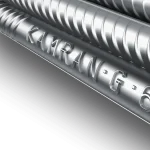
Pakistan produces limited iron ore, so its steel industry relies heavily on scrap. Sources include demolished buildings, old machinery, vehicles and ship-breaking at Gadani, as well as imported scrap. Mills melt the scrap in electric furnaces, cast it into billets and roll the billets into bars. For the full process, read the steel bar manufacturing process.
Recycling also supports jobs in scrap collection, sorting and processing, and it reduces the country’s need to import raw materials.
Is Recycled Steel as Strong as New Steel?
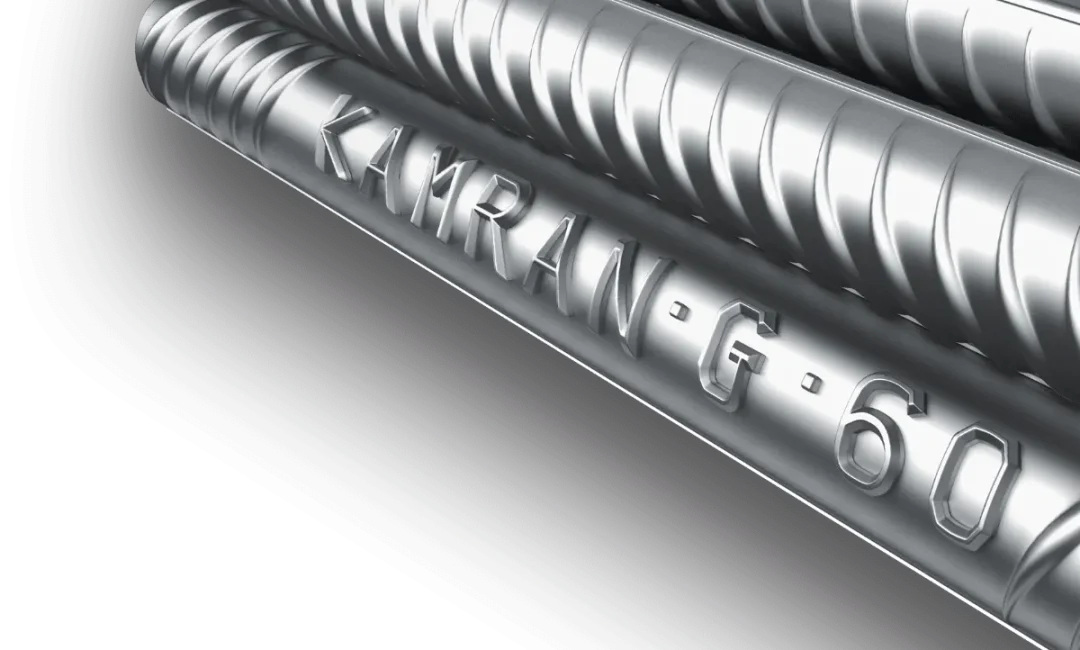
Yes, when mills make it properly. Strength depends on the final chemistry and processing, not on whether the steel came from ore or scrap. A recycled bar that meets ASTM A615 Grade 60 has the same minimum strength as any other Grade 60 bar. However, poorly sorted scrap and weak quality control can produce brittle bars, so always buy tested steel and check the mill test certificate.
Managing Scrap on Construction Sites
- Plan cutting from a bar bending schedule to reduce offcuts.
- Collect offcuts and old bars in one place, separate from other waste.
- Sell steel scrap to a licensed scrap dealer instead of dumping it.
- Store new bars properly so they are not lost to rust. See how to store steel bars on site.
Benefits at a Glance
| Benefit | Why it matters |
| Raw materials saved | Less mining of iron ore, coal and limestone |
| Lower energy use | Scrap melting needs far less energy |
| Lower emissions | Smaller carbon footprint per ton |
| Less landfill | Mills reuse old steel instead of dumping it |
| Local jobs and less import | Supports Pakistan’s economy |
Kamran Steel and Recycled Steel
Kamran Steel has manufactured deformed steel bars in Lahore since 1984, rolling them from our own steel billets. We supply Grade 40 and Grade 60 bars to ASTM A615 in sizes from 10 mm to 36 mm. Check today’s steel rate in Pakistan or contact our sales team.
See where recycled scrap enters our production on the Kamran Steel process page.
Related reading: Sustainable Construction in Pakistan · Green Steel and Pakistan’s Steel Industry