Understanding the factors affecting steel prices helps you plan your budget and choose the right time to buy. Steel bar (saria) prices in Pakistan can change within weeks, and the reasons are not always obvious. This guide explains the main drivers, in plain language, and what each one means for you as a buyer.
To see where prices stand right now, check the steel rate in Pakistan today.
1. Raw Material Costs
In Pakistan, mills make most rebar from melted scrap and billets, and a large share of that scrap is imported. Therefore, when international scrap and billet prices rise, local bar prices usually follow. In addition, shipping costs and supply disruptions affect what mills pay for raw material.
2. The Rupee-Dollar Exchange Rate
Mills pay for imported scrap and billets in US dollars. As a result, when the rupee weakens, their costs rise even if world prices stay the same. This is often the fastest-moving factor behind local price changes.
3. Energy Costs
Melting and rolling steel uses large amounts of electricity and gas. Consequently, higher industrial tariffs or supply interruptions raise the cost of every ton produced.
4. Taxes, Duties and Government Policy
The final price includes sales tax and other levies, while import duties affect raw material costs. For this reason, federal budget announcements and tax changes can move steel prices almost overnight. Buyers should watch the budget and related notifications.
5. Construction Demand
Demand usually rises in the main building season and falls during the monsoon or in an economic slowdown. Similarly, large government projects and housing schemes can lift demand across the market.
6. Transport Costs
Steel is heavy, so diesel prices and freight rates add a real cost to delivered steel. That is why the delivered price differs from city to city even when the ex-factory price is the same.
How the Federal Budget Affects Steel Demand and Prices
Each year’s federal budget changes steel demand in two ways. First, the development budget (PSDP) decides how many roads, bridges and public buildings go ahead, which moves demand for construction steel. Second, changes to sales tax, customs duties and other levies change the cost of steel directly. For this reason, prices often move around budget announcements.
Fuel Prices and Inflation
Higher petrol and diesel prices raise the cost of moving scrap, billets and finished bars, so delivered prices rise. Similarly, general inflation pushes up wages, electricity and other costs at the mill. When inflation is high, steel prices tend to follow, although the timing varies.
Summary Table
| Factor | How it affects prices |
| Scrap and billet prices | Rise and fall with world markets |
| Exchange rate | A weaker rupee raises costs |
| Energy | Higher tariffs raise production costs |
| Taxes and duties | Budget changes can shift prices quickly |
| Demand | Seasonal and project-driven swings |
| Transport | Adds to the delivered price |
What Buyers Can Do
- Check prices regularly before a large order, and ask for quotes in writing.
- Compare like with like: same grade, same brand, price per ton, with transport shown separately.
- Plan stages: on long projects, agree prices for each stage with your supplier.
- Do not chase the lowest rate: underweight or untested bars cost more in the end. Read avoiding fake and substandard steel.
Kamran Steel’s Current Prices
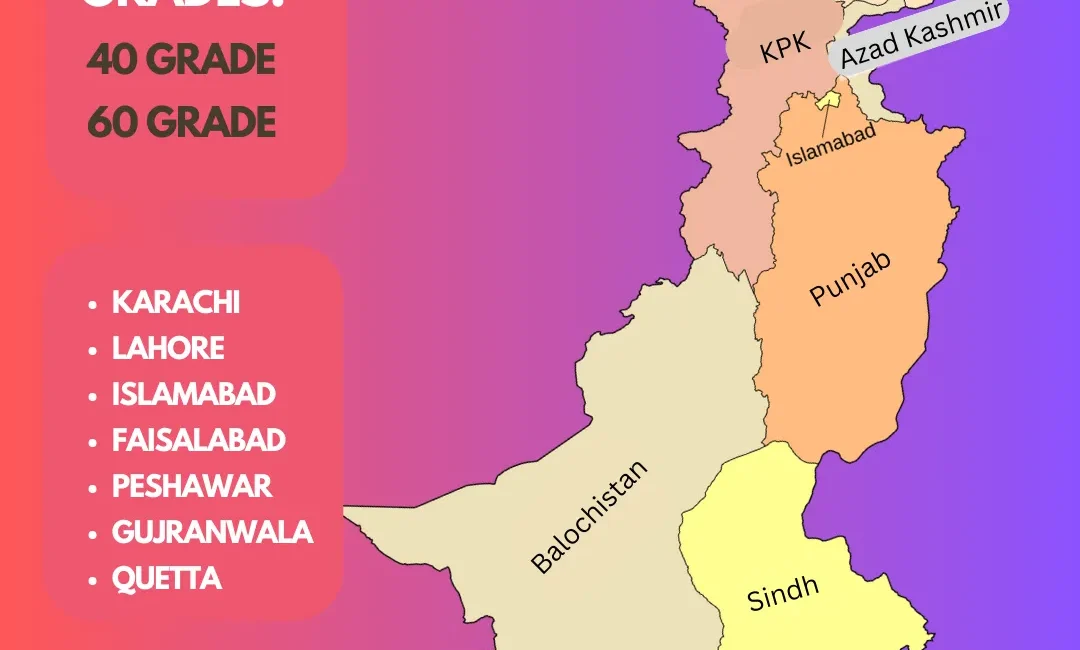
Kamran Steel’s ex-factory price is Rs 275,000 per ton for Grade 40 and Rs 277,000 per ton for Grade 60, the same in every city, with transport extra. Estimate your order with the steel rate calculator, or check the steel rate in Pakistan today.
Related reading: Steel Procurement Checklist · Pakistan Steel Industry Outlook · Contact Kamran Steel