As far as a building is super strong as the material that holds it together. Steel has been a stable substance in the world of construction in light of the changing world. It can be a skyscraper, a busy bridge, or an industrial warehouse, with some industries, but steel is still an irreplaceable element due to its strength, durability, and flexibility. However, its ability to resist the threat of two of the most destructive forces in construction also known as fire and corrosion lies beyond its perceived goodness as the material appears stronger.
The twin threats are fire and corrosion that slowly but surely eat away the structural integrity. What seems to be a strong structure on the external side might end up developing irreversible problems when exposed to moisture, chemicals, salt or even too much heat when steel is not effectively shielded against such factors. That is why organizations such as Kamran Steels have been keen on superior protection methods in order to make steel work and live long enough through generations.
A closer look at the fire and corrosion resistance being not merely an optional benefit but a mandatory add-on to the present-day construction sector will be helpful.
The Knowledge of the Enemies: Fire and Corrosion
1. The Corrosive Temperature of Fire Metal
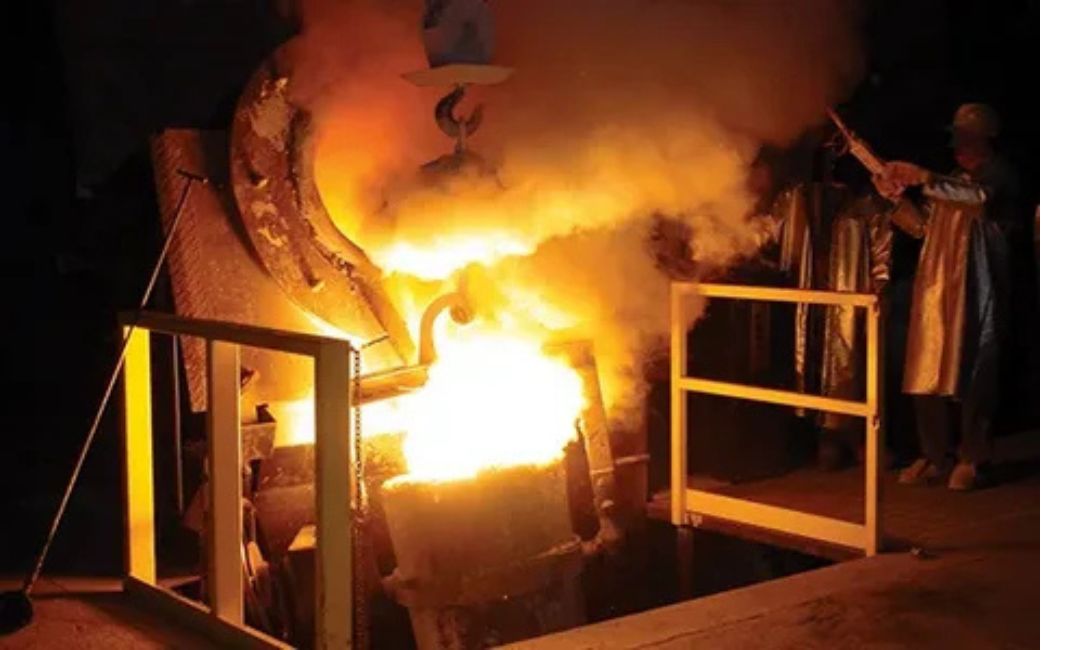
Steel is not combustible by composition, yet it becomes weak when high temperatures are attained. On the exposure of fire:
- Steel starts to lose its rigidity at 300 o C.
- At a low temperature of 550 o c, it only holds 60 percent of its strength.
- The majority of steel structures would fail at elevated temperatures of 1100 C.
Building fires can exceed 1000 C and unprotected steel is liable to buckle, twist or collapse. That is why the protection of buildings with fireproofing paints, conviction, the alloys that withhold the heat is necessary.
2. The Imperceptible and Persevering Effect of Corrosion
Corrosion is a process of slow decay of metal through chemical processes, mostly with oxygen and moisture. In buildings made of steel, this may lead to:
- lower cross-section diamete.
- The reduction of bearing capacity
- Cracking of concrete (in case of steel being used as rebar)
- Viscosity and artichondral injuries
Unless curbed, corrosion may cause safety risks, repair expenses and eventual collapse of structures.
Table 1: Steel Behavior Under Fire Exposure
| Temperature (°C) | Behavior of Unprotected Steel | Impact on Construction Safety |
| 20–100 | No noticeable change | Safe |
| 100–300 | Minor expansion | Low risk |
| 300–500 | Begins to lose stiffness | Moderate risk of deformation |
| 550–700 | 50–70% strength loss | High risk of collapse |
| 700–1100 | Structure may fail completely | Critical collapse scenario |
Contemporary Gate-Guardian Processes
In order to help with fire and corrosion, contemporary engineered designs make use of both preventive and protective measures, even starting at the stage of the production of steel. What are the most important techniques? Let us have a look.
1. Galvanization
The process of galvanization is the process of covering the steel using zinc, which provides the physical barrier and presents cathodic protection. It is mostly applied in outdoor construction, bridge construction and in marines.
2. Fireproof Coatings
Fire retardant paints (intumescent) and sprays expand when heated providing a thermal barrier to steel and insulating the steel.
3. Concrete Encasement
The conventional one in which steel beams are encased in concrete and becomes resistant to fire as well as corrosion in case they are reinforced successfully.
4. Utilization of Stainless Steel Use
Where the environment is highly corrosive (e.g. around seawater or in chemical factories), a stainless steel alloy will be employed because it contains a high level of chromium that makes it resistant to rust.
5. Cathodic Protection System
This system is used in buried or underwater constructions where corrosive reactions occur, this leads to redirection of the reactions to a sacrificial anode that does not damage steel.
Table 2: Common Steel Protection Methods & Benefits
| Protection Method | Fire Resistance | Corrosion Resistance | Common Usage |
| Galvanization | No | Excellent | Fencing, pipelines, roofing, bridges |
| Intumescent Coatings | Excellent | Minimal | High-rise buildings, industrial facilities |
| Concrete Encasement | Good | Moderate | Columns, beams, underground structures |
| Stainless Steel Alloys | Good | Excellent | Coastal buildings, chemical plants |
| Cathodic Protection | No | Excellent | Pipelines, tanks, foundations |
Why is it Important in the Pakistan Construction Sector?
The high temperatures, humidity and industrial smoke and dust predispose steel to corrosion in Pakistan. The practice of long-term sustainability is very easily neglected by many local builders since they want to use the unprotected or low-quality steel to save costs on a short-term basis.
But then the industries such as Kamran Steels are coming forward to offer premium quality, corrosion resistant and fire resistant steel products at international quality benchmarks. It can be as Kamran Deformed Bars( Grade 60/Grade 40) or TMT bars, the steel used is ensured to be robust to the tough environment of Pakistan.
Kamran Steels’ Commitment to Protection
The protective standards that are embraced by Kamran Steels include:
- Standardization: Based on ASTM & British Standards of fire/corrosion testing.
- Innovative Alloys: Applies micro-alloying to facilitate enhanced heat and corrosion resistance.
- Quality Coatings: Provides zinc-coated bars and rods to be used in infrastructure that are prone to strong phenomena.
- Fire-Resistance Certification: Provides the opportunity of steel to guarantee high-temperature stability of structure.
- Client Education: educates clients from the selection of the suitable steel when exposed to specific environmental conditions.
Kamran Steels: The Power of Safe Building
Kamran Steels is not merely one of the steel producers; it is the visionary leader in safe infrastructure in Pakistan. Their steel-products are:
- Fire-tested
- Corrosion-certified
- Eco-friendly
- Structurally optimized
With the incorporation of global protection strategies in the local markets, Kamran Steels offers its customers (architects, engineers, and developers) steel that delivers in terms of fire, water, and time.
Conclusion : invest to protect, we build generations
Fire and corrosion can be regarded as silent enemies but when they are not taken seriously, their effects can prove to be devastating. The solution is in smart security, worthy steel, and reliable steelmakers such as Kamran Steels who know what Pakistan infrastructure requires today.
Recent Comments