Steel That Comes Full Circle: Pakistan’s Economic Power
The idea of the circular economy has become crucial in a society that is industrializing quickly and dealing with resource depletion, environmental degradation, and growing energy costs. Recycling resources is essential to this concept, especially steel, which is one of the most used building and industrial commodities in the world.
Steel recycling is essential and serves as an effective solution in Pakistan. Here, sustainability and economic growth must coexist. It creates jobs, reduces carbon footprints, cuts energy use, and supports environmental goals. Furthermore, recycling steel might turn Pakistan’s infrastructure and building industries into environmentally friendly economic engines.
Kamran Steels, a progressive steel producer with a strong commitment to sustainable production methods and the ideas of the circular economy, is one of the main forces behind this change.
Why is a circular economy important and what is it?
The circular economy is a paradigm that stresses “reduce-reuse-recycle” in favor of the conventional “take-make-dispose” approach. It seeks to maximize the value of resources, prolong their useful life, and regenerate materials at the
Circular Economy vs Traditional Economy
| Aspect | Traditional Economy | Circular Economy |
| Resource Use | Linear, extractive | Cyclical, regenerative |
| End of Product Life | Disposal | Recycling or Reuse |
| Environmental Impact | High pollution and waste | Reduced emissions and conservation |
| Economic Model | Volume-based growth | Value and efficiency-based growth |
| Steel Industry Practice | Virgin steel dominance | Emphasis on recycled and reused steel |
In the context of Pakistan, the circular economy is especially important due to the country’s limited natural resources, high construction demand, and the need to reduce carbon emissions as part of climate change mitigation strategies.
Why Is the Circular Economy Based on Steel?
Among the most recyclable materials in the world is steel. Its quality is unaffected by endless recycling. More significantly, it maintains its mechanical qualities following each recycling cycle, which makes it a key component of circular models in manufacturing and building.
Principal Advantages of Recycling Steel:
- Energy savings of up to 74% when compared to the manufacture of virgin steel
- Reductions in carbon emissions of about 58%
- Conserving resources, preserving coal, limestone, and iron ore
- Decrease of about 40% in water use
- Profitability through economical steel production
Kamran Steels’ Contribution to the Promotion of Recycled Steel
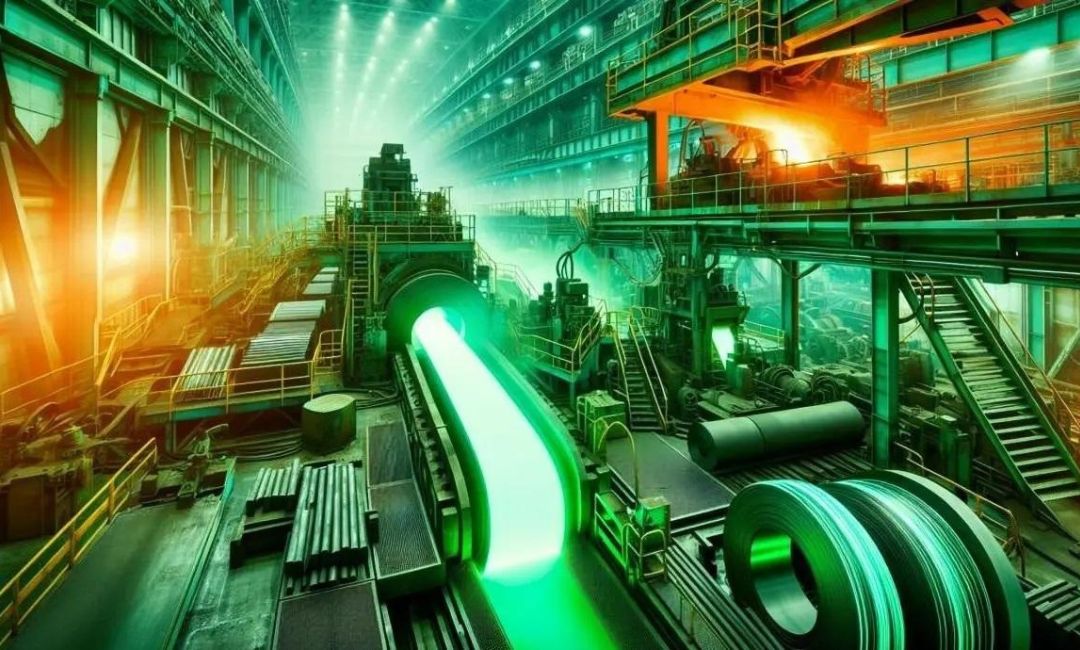
In Pakistan’s steel production sector, Kamran Steels is a well-known brand. It has adopted a contemporary, sustainability-driven production approach that emphasizes environmental responsibility and eco-efficiency. Recycling and reprocessing steel to guarantee little waste and maximum material usage is one of the fundamental tenets of Kamran Steels’ business strategy.
The Principal Circular Projects of Kamran Steels:
- Obtaining scrap steel from industrial waste, obsolete automobiles, and building demolitions
- Using Electric Arc Furnaces (EAF) to melt scrap steel in a clean manner
- Providing sustainable steel products to encourage green building
- To improve the recycling ecosystem, industry collaborations between recyclers and builders
Environmental & Economic Impacts of Steel Recycling
Recycling steel has both environmental and economic benefits. These outcomes are not just global—they are measurable at the national level in Pakistan too.
Environmental Benefits:
| Benefit | Explanation |
| Energy Efficiency | Recycled steel uses significantly less energy during production |
| Reduced Emissions | Lower CO₂ and other greenhouse gases released into the atmosphere |
| Less Mining | Reduced need for iron ore, limestone, and coal extraction |
| Water Conservation | Less water is used in recycled steel production processes |
| Waste Management | Prevents steel waste from ending up in landfills |
Economic Benefits:
| Benefit | Explanation |
| Cost Savings | Lower raw material and production costs |
| Industrial Growth | More affordable steel supports infrastructure development |
| Local Supply Chain Strengthening | Reduced reliance on imported raw materials |
| Employment Generation | Scrap collection, processing, and transportation create jobs |
| Export Potential | Sustainable steel products have high demand in global markets |
Steel Recycling in Pakistan – Current Status
Although steel recycling is gaining attention, it is still underutilized in Pakistan compared to its potential.
Present Challenges:
- Lack of awareness among builders and contractors
- Weak infrastructure for formal scrap collection and sorting
- Unregulated informal sector dominates the scrap business
- Insufficient policies or incentives to promote recycling practices
- Limited technological adoption in many small-scale steel mills
However, large-scale producers like Kamran Steels are actively bridging these gaps by:
- Raising awareness about eco-friendly construction materials
- Building partnerships with scrap suppliers and recyclers
- Investing in modern equipment and quality testing systems
- Encouraging government support for recycling standards and practices
Recycling Steel and Its Applications in the Development Projects of Pakistan
Recycled steel by companies like Kamran Steels is being applied in the following areas of development:
1. Mass Housing Programs
Low-cost recycled steel is also used in the government-sponsored low-income housing programs because it is cost effective, strong, and sustainable.
2. Bridges and Fly Over Structures
Steel recycling makes it possible to get high-tensile strength bars and beams appropriate for heavy-load applications.
3. Industrial Buildings
Green certified steels have today become the most popular steel among factories, warehouses, and commercial centers to satisfy the environmental standards.
4. Water System & Irrigation
Galvanized recycled steel is practiced in the irrigation pipelines and water storage systems, the lifeblood of agriculture.
Recycled vs Virgin Steel – A Comparative Overview
| Feature | Virgin Steel | Recycled Steel |
| Raw Material Source | Iron ore, limestone, coal | Scrap steel |
| Energy Consumption | Very high | 60–74% less |
| CO₂ Emissions | High | Much lower |
| Water Usage | High | Significantly reduced |
| Production Cost | Expensive | Economical |
| Environmental Impact | Negative | Positive |
| Quality | High | Equally high when refined |
| Sustainability Rating | Low | Very Hig |
Conclusion – Pakistan’s Roadmap for the Greener Steel Sector
Steel recycling is not just a technical process. It’s an economic opportunity for Pakistan. It combines environmental sustainability, economic efficiency, and industrial strength. It forms the foundation of a circular economy where growth does not harm the planet.
Kamran Steels stands out as a leader in this area. With vision and responsibility, we can create a stronger Pakistan from the steel we’ve already used, reshaped and reimagined.
The path to sustainability is made with recycled steel. It leads to a cleaner, more resilient tomorrow.
Recent Comments